


Advertising spend on traditional media vs. digital media in 2026: data, trends and strategies

The advertising market is undergoing a structural transformation driven by digitalisation, changes in media consumption and the development of data-driven technologies. By 2026, advertising expenditure figures clearly reflect this shift: the digital sphere now accounts for the lion’s share of spending, whilst traditional media continue to play a significant role in awareness-building and brand-building strategies. […]
Relationship Marketing: the inexhaustible power of sampling

In an advertising environment saturated with messages, where consumers receive thousands of messages every day, capturing attention is no longer enough. Brands need something more: they need to build relationships. In this context, relationship marketing has established itself as a key strategy for building lasting bonds with people. Within this approach, one tool stands out […]
CTV advertising in 2026: strategies that are making a difference
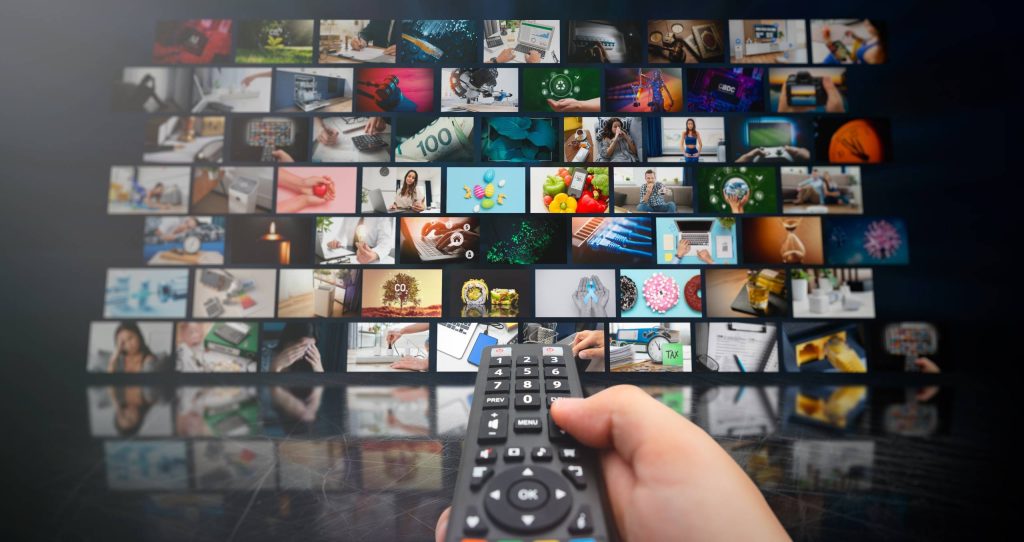
If there is one thing that has permanently changed the way brands connect with audiences, it is connected television (CTV). In 2026, this ecosystem not only continues to grow, but has also established itself as a strategic pillar for advertisers seeking to combine reach, precision and high-impact creativity. Nowadays, television consumption no longer takes place […]
Travel Trends 2026: when country branding becomes an experience

The travel sector in 2026 is undergoing a profound transformation. It is no longer just about attracting visitors, but about building narratives that position territories in people’s minds and hearts. For media agencies specialising in country branding, the challenge is clear: to connect purpose, identity and conversion in an environment where technology is advancing, attention […]
Valentine’s Day 2026 and the evolution of advertising discourse on love

In recent years, Valentine’s Day has established itself as one of the most important dates for brands. 14 February has become a strategic opportunity for brands to increase their sales, with ideas that redefine their discourse on love and connect emotionally with audiences who are increasingly critical of traditional clichés. In 2026, this evolution has […]
Advertising, spectacle and business: what Super Bowl 2026 teaches brands
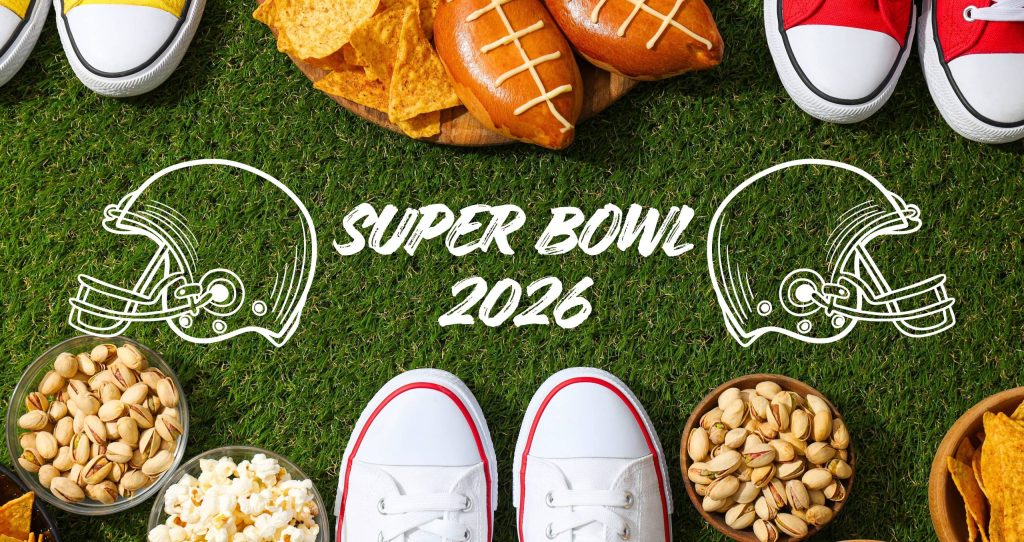
Talking about advertising at sporting events inevitably means thinking about the Super Bowl. There is no other event capable of concentrating such a volume of global audience, social conversation and creative pressure into just a few hours. For brands, being present at the Super Bowl is not just about buying advertising space: it is about […]
AI Legislation: Outside the European Union, is it a free-for-all?

In our series of articles on Artificial Intelligence legislation so far, we have focused on developments within the European Union. However, in the global landscape we live in, it is essential to consider other players as well. Today we explain what is happening in other countries, where AI regulation looks very different from what we […]
What is expected of AI in 2026?

Talking about artificial intelligence in advertising is no longer futuristic or experimental. AI has moved from being a distant technology to becoming an everyday tool within agencies, marketing departments and creative teams. However, as time goes by, the conversation shifts to a different level. It is no longer just about what AI can do, but […]
FITUR 2026: the stage where countries tell their stories to the world
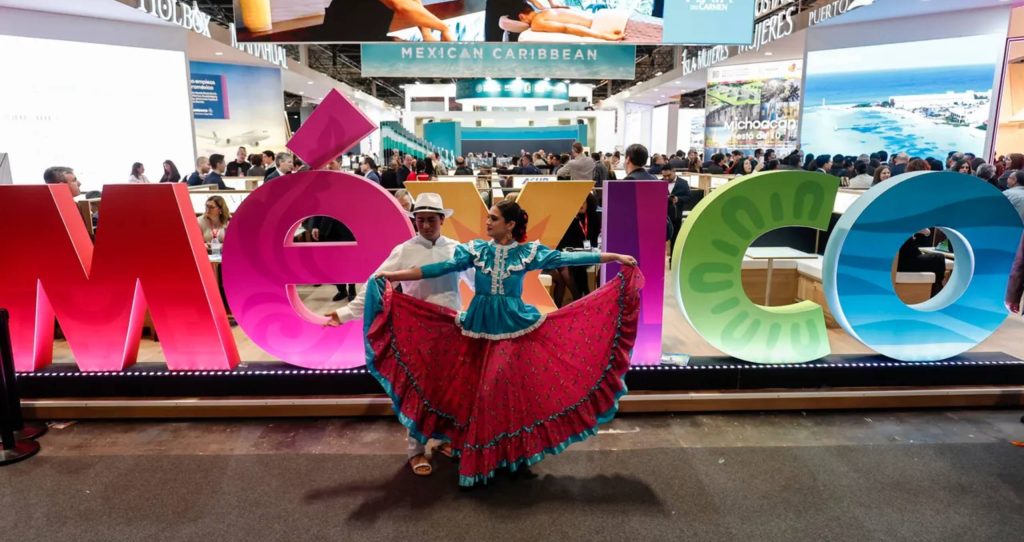
FITUR 2026 is here, the International Tourism Fair in Madrid, an event that year after year transcends the traditional concept of a sector-specific event to establish itself as one of the major global stages where countries define how they want to be perceived. For a few days, Madrid once again becomes the meeting point for […]
Section 50 of the AI Act

Continuing with our series of articles on Artificial Intelligence legislation, today we are dedicating a special section to Article 50 of the AI Act. Section 50 of the AI Act is the section that answers a very simple question: when do I have to clearly state that AI is involved? And the answer is: much […]